
Dr Natalia Parry-Vaughan
Psychology and Cognitive Behavioural Therapy in
Cirencester and Cheltenham
Creating a safe space to talk about how you’re feeling and ways we can change your patterns of thinking and being. Using Cognitive Behavioural Therapy (or CBT for short) to create a toolbox of coping strategies.
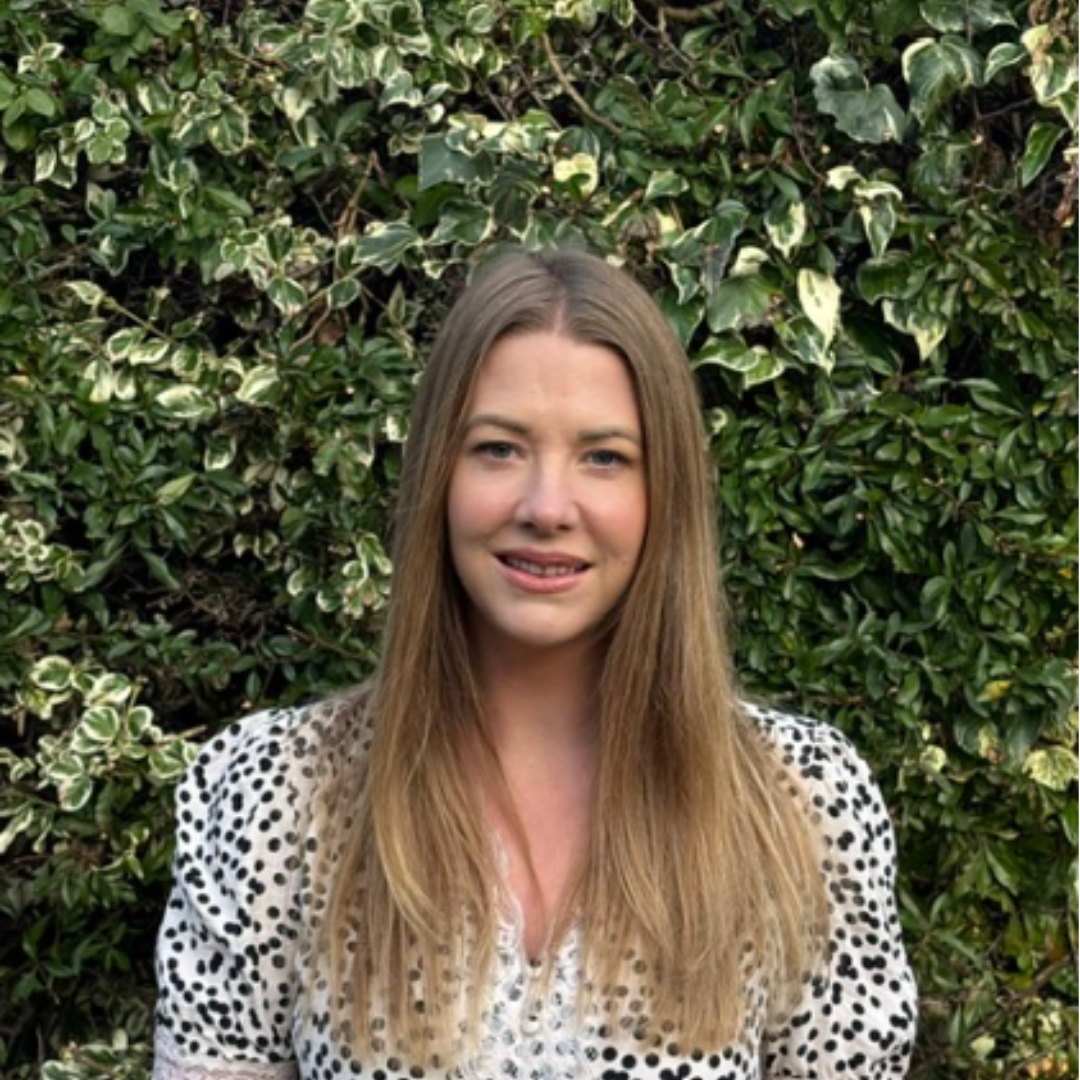
A bit about me.
My therapeutic style is friendly and informal, and I emphasise the importance of teamwork in cultivating change. We work together to set goals, develop a shared understanding of your difficulties, and develop practical strategies to support meaningful and lasting change.
I work with a range of difficulties, including anxiety, low self-esteem, relationship challenges, stress, and the impact of distressing life experiences. Whether you are facing a specific issue or seeking a deeper understanding of long-standing patterns, I aim to provide a supportive and collaborative space in which to explore what matters most to you.
I offer both short-term and longer-term therapy, depending on your goals and needs. Some people benefit from a focused, goal-oriented approach over a small number of sessions, while others prefer more extended therapeutic work. Sessions are available both in person and online, allowing flexibility to fit around your circumstances.
As a Psychologist, I draw on a range of approaches and adapt my work to suit each individual. Alongside my core training in CBT, I use “third wave” CBT approaches, including Compassion Focussed interventions and principles from Acceptance and Commitment Therapy. I am also trained in delivering the Flash technique (an offshoot of EMDR) to help the processing of distressing memories. I also draw on psychodynamic and systemic ideas, exploring how past experiences, family dynamics and relationship patterns may shape the way we think, feel and relate to others in the present.
I am committed to personal and professional development and have recently completed doctoral training in Counselling Psychology. As a result, you may notice that my therapeutic style is also influenced by a person-centred ethos, placing great importance on empathy, authenticity, and the therapeutic relationship.
My experience in mental health spans 15 years, initially working in secondary care psychiatric hospitals before moving into primary care settings, including the NHS, charitable sector, and universities. I am fully accredited with the BABCP and hold an enhanced DBS check.

FAQ’s
-
DPsych in Counselling Psychology
MSc in Psychological Approaches to Health
PGDip in Cognitive Behavioural Psychotherapies
PGCert in Low Intensity Psychological Interventions
BSc in PsychologyAdditional training in working with people with long-term health conditions and Flash technique which reduces the disturbance associated with traumatic or distressing memories.
-
Worry
Relationship difficulties
Social anxiety
OCD
Sleep difficulties
Perfectionism
Low mood and depression
Health anxiety
Procrastination
Work-related stress and burnout
Trauma
Phobias
Low self-esteem
Body image
-
My core training and background is in Cognitive Behavioural Therapy (CBT). However, as a Counselling Psychologist, I draw on a range of therapeutic approaches and adapt the way I work to suit each individual and their particular needs. Alongside CBT, I integrate ideas from psychodynamic, systemic and person-centred approaches. This allows us to think not only about current difficulties, but also about your past experiences, relationships and wider circumstances, and how these might be shaping the way you feel and respond to the world. I believe therapy should be collaborative and tailored to you, rather than following a one-size-fits-all approach.
-
The number of sessions you need will depend on your individual circumstances, what you would like to work on and the goals you hope to achieve through therapy.
A typical course of CBT might involve between 6 and 20 sessions, although this can vary depending on the nature and complexity of the difficulties you're experiencing.
Some people prefer to work towards specific goals within a time-limited course of therapy, while others find it more helpful to have open-ended sessions, allowing them to explore things at their own pace and access support for as long as they feel it is helpful. We can discuss what might work best for you and regularly review how things are going as therapy progresses.
-
CBT (Cognitive Behavioural Therapy) is a well-established, evidence-based form of therapy that has been shown to be effective in helping people with a range of difficulties, including anxiety, depression, stress and low self-esteem. It can help you to understand the links between your thoughts, feelings and behaviours, and develop practical ways of managing difficult emotions and situations.
CBT is recommended by the NHS and the National Institute of Clinical Excellence to treat anxiety and low mood.
-
If you think CBT might be the kind of thing you’re looking for, drop me an email and I will book you in for a free 15 minute welcome call so we can check we’re a good fit for each other.
If we’re both happy we will book you in for an assessment.
Following this we will then agree the next steps and schedule regular appointments.
Making Sense of CBT
What People Are Saying
“My experience of therapy has been extremely positive, life changing. I came into my first session a little sceptical but from the moment I started therapy it felt right and it gave me instant hope.”
— Claire (London)
“Life feels lighter and less hectic in my head.”
— Jessica (London)
“It made me view things in a more rational way and put some space between me and my own thoughts, which I think is really important when they are overwhelming.”
— Mel (London)
“My experience of therapy was an extremely positive experience.”
— John (London)
“I now find it a lot easier to view things in a more rational way and when I speak to friends about similar reactions/thoughts, I feel like I have the tools to advise them on how I changed my mindset.”
— Harry (London)
“I found the systematic approach to spotting and understanding patterns of behaviour very helpful, before moving on with tools for how to deal with it.”
— James (London)
“I am grateful to have found a therapist who I connected with instantly and felt safe. I believe that everyone should do CBT.”
— Pete (London)
“I liked that the therapy was targeted and practical, I wouldn’t change anything about sessions.”
— Sam (London)
“I really enjoyed my therapy experience. Natalia made me feel comfortable and reassured.”
— Josh (London)
“My life is much better at work. I am more assertive, I ask questions, I am honest with my peers about how much work I can take on.”
— Diane (London)